

- Home »
- Business Owners & Executives »
- How To Read a Balance Sheet – And Why You Care
How To Read a Balance Sheet – And Why You Care
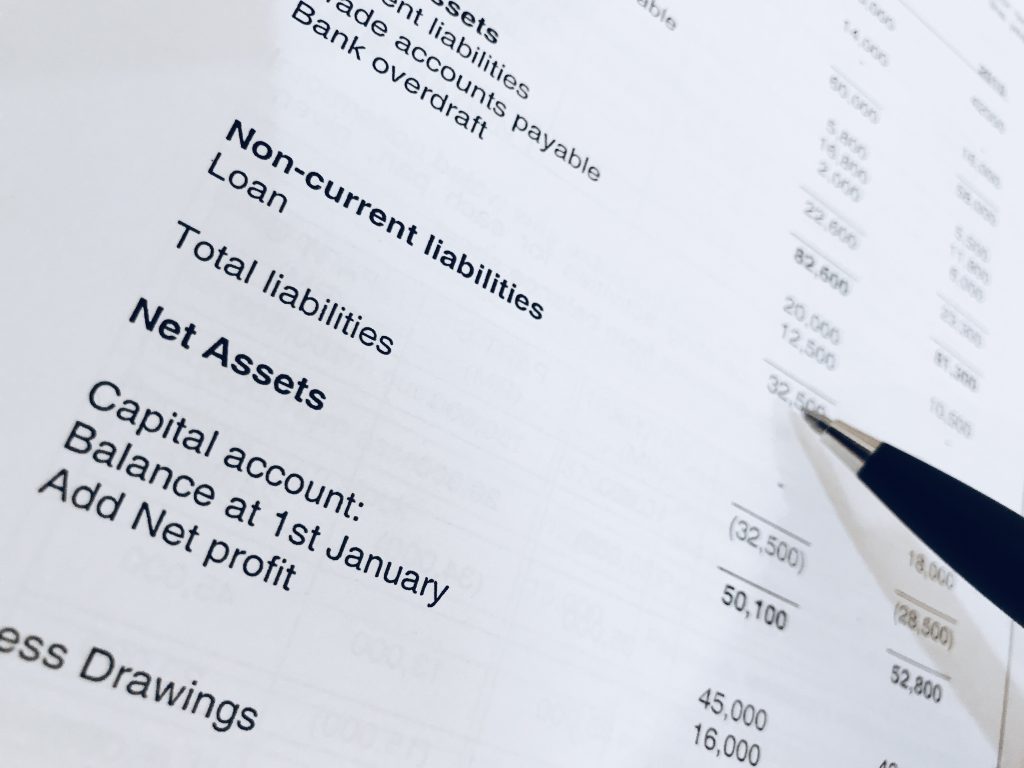
Think of a balance sheet like a financial selfie — it won’t tell you everything, but it captures a lot in one frame. For business owners and investors, it’s a starting point: a snapshot of what a company owns, what it owes, and what’s left over. It won’t reveal the full value of a business (that’s a more complex portrait), but it’s a critical tool for spotting red flags, gauging stability, and making smarter decisions.
Understanding the Basics
A balance sheet is one of the key financial statements used by businesses, investors, and professionals to assess financial health. Unlike the income statement, which tracks revenue and expenses over time, a balance sheet provides a snapshot of a company’s financial condition at a specific moment. A balance sheet outlines what a company owns, what it owes, and the net worth left over.
What’s in a Balance Sheet?
Balance sheets are typically comprised of three main sections:
- Assets: What the company owns, including cash, accounts receivable, inventory, and long-term assets like equipment and property.
- Liabilities: What the company owes, such as accounts payable, loans, and long-term debt.
- Equity: The difference between assets and liabilities, representing the owner’s or shareholders’ stake in the company.
Who Needs To Read a Balance Sheet?
Understanding a balance sheet is vital for various stakeholders, including:
- Business Owners: Use balance sheets to track financial stability, make informed operational decisions, and plan for future growth.
- Investors: Assess risk and return potential before investing in a company by analyzing its financial health and performance.
- Lenders: Determine creditworthiness before approving loans, ensuring the company can meet its debt obligations.
- Attorneys and Accountants: Analyze financial disputes, ensure compliance with regulations, and provide accurate financial reporting.
Legal and Financial Terms Explained
Understanding specific legal and financial terms is crucial when analyzing a balance sheet. Key terms include:
- Contingent Liabilities: These are potential obligations that may arise depending on the outcome of a future event. For instance, if a company is facing a lawsuit, the potential financial loss is considered a contingent liability. Recognizing these liabilities is essential for assessing the company’s financial health accurately.
- Deferred Tax Liabilities: These arise when there’s a difference between the company’s accounting earnings and taxable income, leading to taxes owed in the future. It’s important to account for these to understand the company’s future tax obligations.
- Goodwill: An intangible asset that arises when a company acquires another business for more than the fair value of its net identifiable assets. Goodwill reflects factors like brand reputation and customer relationships. Regular assessment for impairment is necessary to ensure the balance sheet reflects the true value of this asset.
- Intangible Assets: Non-physical assets such as patents, trademarks, and copyrights that provide economic benefits. Proper valuation and amortization of these assets are crucial for accurate financial reporting.
- Minority Interest (Non-Controlling Interest): Represents the portion of a subsidiary not owned by the parent company. It’s shown in the equity section of the balance sheet, indicating the claim of minority shareholders on the subsidiary’s net assets.
- Treasury Stock: Refers to shares that were issued and later reacquired by the issuing company. These shares are deducted from shareholders’ equity, as they are no longer outstanding and do not confer voting rights or dividends.
Why It Matters
Liquidity and Solvency
Steven Stralser, author of MBA in a Day, highlights that balance sheets reveal a company’s ability to meet its short-term and long-term obligations. He points out that if a company struggles to cover its debts with available assets, it signals financial instability. Investors, lenders, and vendors frequently rely on balance sheets to assess risk.
Key Financial Ratios
Professionals often use balance sheets to calculate essential financial ratios, including:
- Current Ratio (Current Assets / Current Liabilities): This evaluates a company’s ability to cover short-term liabilities.
- Debt-to-Equity Ratio (Total Liabilities / Shareholders’ Equity): This measures the extent to which a company relies on debt to finance its operations.
- Working Capital (Current Assets – Current Liabilities): This reflects available operating liquidity.
Terry Orr, a forensic accountant, explains that these ratios are used by investors, analysts, lenders, and legal professionals to make predictions and decisions about how a company can continue to operate.
Common Balance Sheet Mistakes
Misclassifying Assets or Liabilities
John Levitske, a valuation expert, notes that incorrectly classifying assets or liabilities can distort financial statements. He explains that while accounts receivable is considered an asset, adjustments should be made if those receivables are unlikely to be collected to ensure accurate financial reporting.
Overlooking Off-Balance Sheet Items
Candice Kline, a bankruptcy attorney and professor, notes that some liabilities, such as lease obligations or contingent liabilities, may not appear on the balance sheet. Kline advises looking beyond the numbers and reviewing financial footnotes for a clearer picture.
Final Thoughts
Reading a balance sheet isn’t just about numbers — it’s about understanding a company’s financial story. Whether advising clients, making investment decisions, or running a business, a strong grasp of balance sheets leads to more informed financial choices.
To learn more about this topic view MBA Bootcamp / How to Read a Balance Sheet – And Why You Care! The quoted remarks referenced in this article were made either during this webinar or shortly thereafter during post-webinar interviews with the panelists. Readers may also be interested to read other articles about accounting and finance principles for business owners and investors.
This article was originally published on April 17, 2025.
©2025. DailyDACTM, LLC d/b/a/ Financial PoiseTM. This article is subject to the disclaimers found here.
About Michele Schechter
Michele has been a director with Financial Poise since 2012. Share this page: