

- Home »
- Business Owners & Executives »
- Procurement & Government Contracting Compliance: What You Need To Know
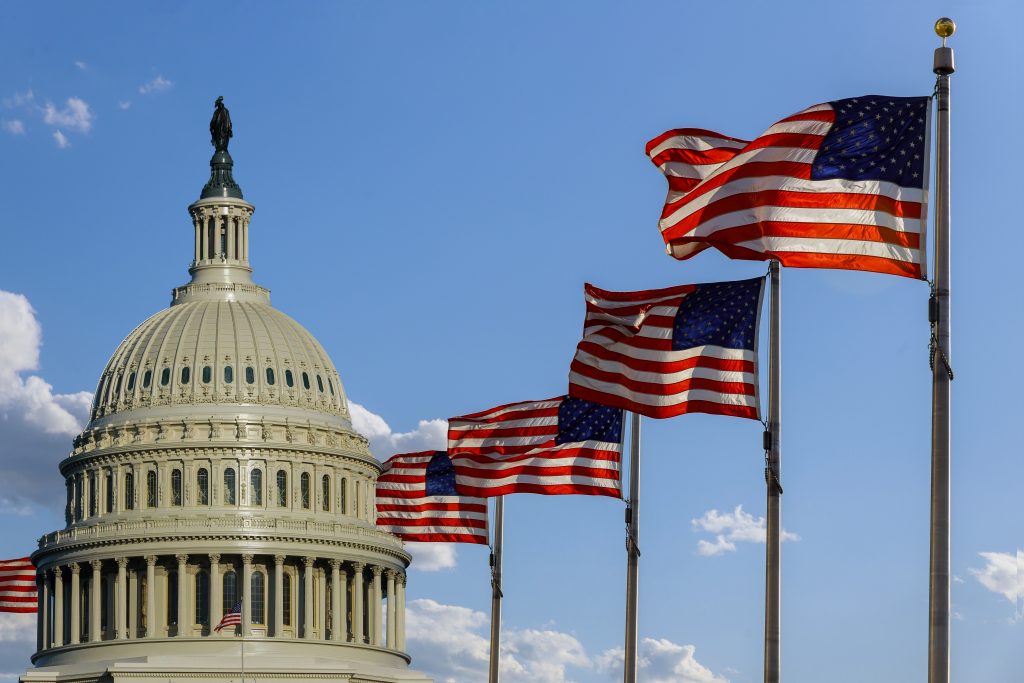
Procurement & Government Contracting Compliance: What You Need To Know
Government spending is massive. In fact, “the US government is the single largest consumer in the world, spending more than $760 billion on products and services each year.” For businesses seeking to access this market, an understanding of procurement and contracting compliance is critical.
As Erin Felix of Polsinelli aptly puts it, “in the market for government contracts, compliance pervades all aspects of a company’s life.”
Compliance in a Nutshell
The Federal Acquisition Regulation (FAR) outlines the foundational rules by which executive agencies should operate as they seek to acquire goods and services. In addition to the FAR, individual agencies maintain their own supplement, each tailored to the agency’s mission and procurement practices. For example, the Department of Defense (DoD) maintains the Defense Federal Acquisition Regulation Supplement.
As contractors prepare for the bidding process, they should thoroughly review FAR, the relevant supplement(s), and any additional obligations based on the procurement type to ensure they are fully eligible and prepared to participate legally, operationally, and strategically.
Once bidding begins, contractors must remain vigilant and be prepared to challenge solicitations or evaluations if they see an error or inconsistency.
Once a contract is awarded, operational compliance is essential. Less visible but equally important are regulatory obligations like wage and hour laws, affirmative action compliance, cybersecurity standards, and ‘Buy American’ sourcing.
Procedural compliance becomes important as well, especially under the Contract Disputes Act, which dictates how contractors can raise claims and navigate disputes.
The Seven ‘Buckets’ of Compliance
The following are seven key areas where government contractors need rigorous compliance. These dimensions are intertwined across contract lifecycle stages and carry significant compliance weight.
- Cost and Pricing: See the Cost Accounting Standards.
- Competition and Conflict of Interest: See FAR Subpart 9.5 Organizational and Consultant Conflicts of Interest.
- Diversity, Equity & Inclusion (DEI)
- Employee Protections: These include the Service Contract Labor Standards, the Davis-Bacon Act, and workplace safety laws.
- Environmental Regulation Compliance: See FAR Part 23 – Environment, Sustainable Acquisition, and Material Safety.
- Cyber and Information Security Compliance: See FAR 52.204-21 Basic Safeguarding of Covered Contractor Information Systems.
- Supply-chain Compliance: These include anti-trafficking, counterfeit goods, and ‘Buy American’ Act sourcing.
Of these seven, three major compliance pressure points facing government contractors today include cybersecurity compliance, supply-chain scrutiny with a particular focus on domestic sourcing, and DEI, where the current enforcement climate is skeptical and increasingly strict.
Enforcement Tools & Penalties
The US Government has several enforcement tools available for punishing bad actors and unwitting violators alike including the False Claims Act (FCA) and Administrative FCA (AFCA).
Habib Ilahi of Schertler Onorato Mead & Sears, LLP notes that sales and marketing practices that may be routine in the private sector can make companies vulnerable to liabilities in the context of government procurement and contracting compliance.
Violations of the FCA and AFCA can carry both civil and criminal penalties as well as administrative sanctions like contract termination, suspension, or debarment.
- The FCA, often known as ‘Lincoln’s Law,’ allows whistleblowers to sue on behalf of the government for false or misleading claims. It covers not only knowing fraud but also reckless disregard or gross negligence. Pursuant to FCA, the government can recover up to triple its loss plus per-claim penalties. Whistleblowers may receive 15–30% of recoveries. Launched in October 2021, the DOJ Civil Cyber-Fraud Initiative uses the FCA to pursue contractors who knowingly misrepresent cybersecurity compliance, provide deficient cybersecurity services, or fail to report breaches. Recent settlements include those with Guidehouse and Nan McKay and Associates, totaling just over $11 million in fines.
- The AFCA was enacted in December 2024 and empowers agencies to recover damages, even without prior payments, for up to ten years after the violation.
The Importance of a Compliance Culture
While compliance demands mastery of FAR, agency supplements, and federal statutes as well as a keen awareness of enforcement mechanisms and potential penalties, successful compliance is only possible for companies that bring a culture of compliance to the bidding process. Establishing a culture that is structured, policy-centric, and led by a compliance lead or contracts manager is critical to both establishing credibility as a government contractor and ensuring all the obligations that come with that designation are met.
To learn more about this topic view Procurement & Government Contracting Compliance. The quoted remarks referenced in this article were made either during this webinar or shortly thereafter during post-webinar interviews with the panelists. Readers may also be interested to read other articles about business law.
This article was originally published on August 19, 2025.
©2025. DailyDACTM, LLC d/b/a/ Financial PoiseTM. This article is subject to the disclaimers found here.
About The Financial Poise Editors
Financial Poise helps trusted advisors (accountants, attorneys, business brokers, consultants, financial advisors, investment bankers, etc.) by providing a meritocracy-based platform on which to demonstrate their thought leadership. The thought leadership of these advisors is expressed in the form of educational articles, so we can provide our readers high-quality, unbiased education about investing, owning a business…