

- Home »
- Commentary »
- Your Ultimate Guide to Financial Books for Success

Your Ultimate Guide to Financial Books for Success
You’ve probably thought to yourself, “Can I get wealthy from investing without hiring a professional advisor? Can I really do it myself?”
While a professional can certainly help you perform due diligence and guide asset allocation, you may not have access to one. Hiring a professional to manage your investments is not akin to hiring a plumber, car mechanic, or even an attorney. With such engagements, teaching yourself about plumbing, car engines or the law is not necessary. With personal finance, entrepreneurship, and investing, if you don’t take the time to understand it, you are setting yourself up to be susceptible to bad advice—or worse.
Learning about investing may be easier than you think, though. We certainly hope Financial Poise is your go-to resource for improving your financial literacy, but the following books will supercharge your understanding further.
Editors Note: All titles and images are linked to available Amazon offerings. This list is continuously updated with new additions. Be sure to bookmark it for future reference!
Financial Books on Managing Your Money
Before you can begin to talk about putting money to work in an investment portfolio or business, you should probably understand how money works in your personal life. The following books offer both practical and inspirational insights on the best ways to keep your finances both steady and growing.
The Millionaire Next Door by Thomas J. Stanley and William D. Danko
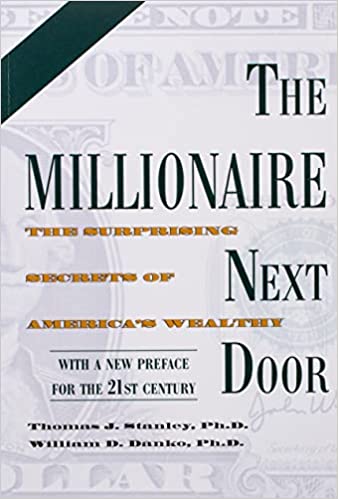
“Who is the prototypical American millionaire? What would he tell you about himself?”
Re-think your perceptions of the wealthy Americans living next door, say Stanley and Danko. With profiles and stories of how America’s wealthy became that way (hint: most are self-made millionaires, not trust fund babies), learn important money management lessons from people who have made their own success. The key takeaway here is that millionaires may look more like Bob Next Door than the Kardashians, and you too can get rich.
A very short and entertaining read, Millionaire Next Door is perfect for your first jump into building personal financial literacy so you can wade into deeper investing waters later.
Rich Dad, Poor Dad by Robert Kiyosaki
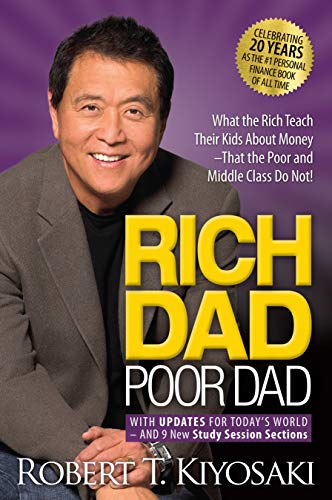
Imagine two fathers – one rich and one poor. What lessons could you learn from each?
Kiyosaki has lived that life. He gives us a glimpse at what he’s learned himself in this book. His writing takes a look at their opposing perspectives on assets, government benefits, taxes, and the importance of money. Kiyosaki states, for example:
One dad recommended, ‘Study hard so you can find a good company to work for.’ The other recommended, ‘Study hard so you can find a good company to buy.’ One dad said, ‘The reason I’m not rich is because I have you kids.’ The other said, ‘The reason I must be rich is because I have you kids.’ One encouraged talking about money and business at the dinner table. The other forbade the subject of money to be discussed over a meal.
Kiyosaki’s perspective, of course, unabashedly encourages entrepreneurship. While you may not agree with everything he says, his take on business and earning still resonates today – especially when it comes to aligning your financial practices with professional and business goals.
Think and Grow Rich by Napoleon Hill
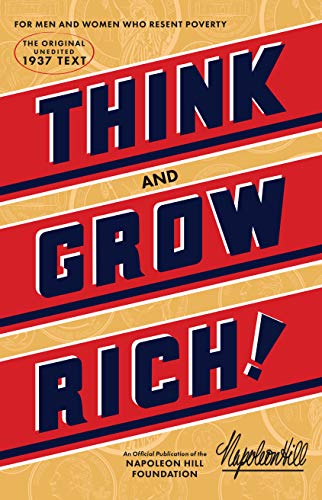
An “oldie but a goodie” penned by the former Franklin D. Roosevelt advisor. Hill’s best-selling book lays out six steps to building your wealth, starting with setting a financial goal and then doing what it takes to achieve it.
Called one of “the most important financial books ever written,” Hill researched more than 40 millionaires to find out what made them the men that they were. If it ain’t broke, why fix it?
The Behavior Gap: Simple Ways To Stop Doing Dumb Things With Money by Carl Richards
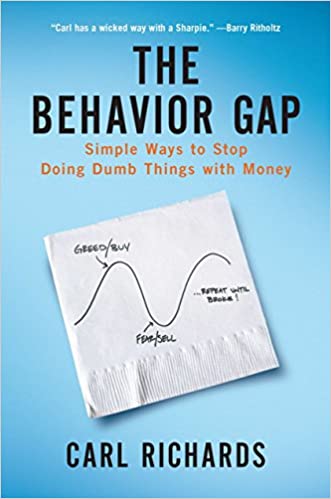
Ever look at your bank account at the end of the month and wonder, “What was I thinking?”
Richards gets it. In this book, he focuses on the mistakes people seem to repeat in how they manage their money. This includes issues like spending above their means, buying items with no long-term value, and “keeping up with the Joneses” spending. His lessons serve as a strong anchor as you try to figure out how to take the philosophies referenced by the authors above and put them into practice.
The Richest Man in Babylon by George S. Clason
Looking for story-driven explanations of important financial lessons? Clason has you covered. His book is written as a collection of parable-style lessons with characters living in ancient Babylon. These characters gain still-relevant financial wisdom as they navigate business and household financial matters.
Originally published as a series of pamphlets, the book was published in full in 1926. In the forward, Clason writes:
This book of cures for lean purses has been termed a guide to financial understanding. That, indeed, is its purpose: to offer those who are ambitious for financial success an insight which will aid them to acquire money, to keep money and to make their surpluses earn more money.
That’s a story worth reading.
Clever Girl Finance: Learn How Investing Works, Grow Your Money by Bola Sokunbi
Women today hold 40% of the world’s wealth. Traditionally, however, financial education gets geared toward men, failing to address the unique challenges and opportunities before savvy women. Though the women-oriented financial lit category has certainly exploded in recent years, Sokunbi’s book remains one of our favorites. Her focus on how younger generations of women can up their game holds tremendous value.
If you’re a young woman navigating your finances or you have a daughter who will soon navigate the world, then this book is a very accessible and enjoyable read about building long-term wealth with action plans at the end of each chapter. Her first book in this series, Clever Girl Finance: Ditch Debt, Save Money, and Build Real Wealth, is also an exceptional resource for learning the basics about things like saving and budgeting. Grow Your Money, however, takes the cake.
Financial Books on Business and Professional Development
Once you feel like your basic personal finances are on track in terms of goals and practice, it’s time to pay attention to the work that fuels the dollars. You might be a small business owner striking to grow. Perhaps you dream of owning your own business one day. Even professionals hoping to get a leg up in their existing careers can benefit from the advice found below.
Blink: The Power of Thinking Without Thinking by Malcolm Gladwell
Blink is an exploration of how spur-of-the-moment decisions can have lifelong effects. The author profiles various professionals (a psychologist, a tennis coach, and an antiquities expert) who have learned to make predictions based on assessing observations and trusting first impressions.
This “intellectual adventure” book is designed to be an aid for people hoping to learn more about how to hone their own decision-making.
Thinking, Fast and Slow by Daniel Kahneman
Continuing with behavior, one of the best books on human behavior and decision-making is this best-selling book by a Nobel Memorial Prize in Economic Sciences Laureate. Hard to argue with those credentials, right?
He certainly earned those accolades. While this isn’t specifically an investing book, it does explain certain cognitive biases that lead to errors in decision-making, such as overconfidence and “anchoring.” These are all unconscious errors that can impact not just you, but any seasoned financial advisor, as well. These concepts are also often applied to behavioral finance.
Why Now is the Time to Crush It! by Gary Vaynerchuk
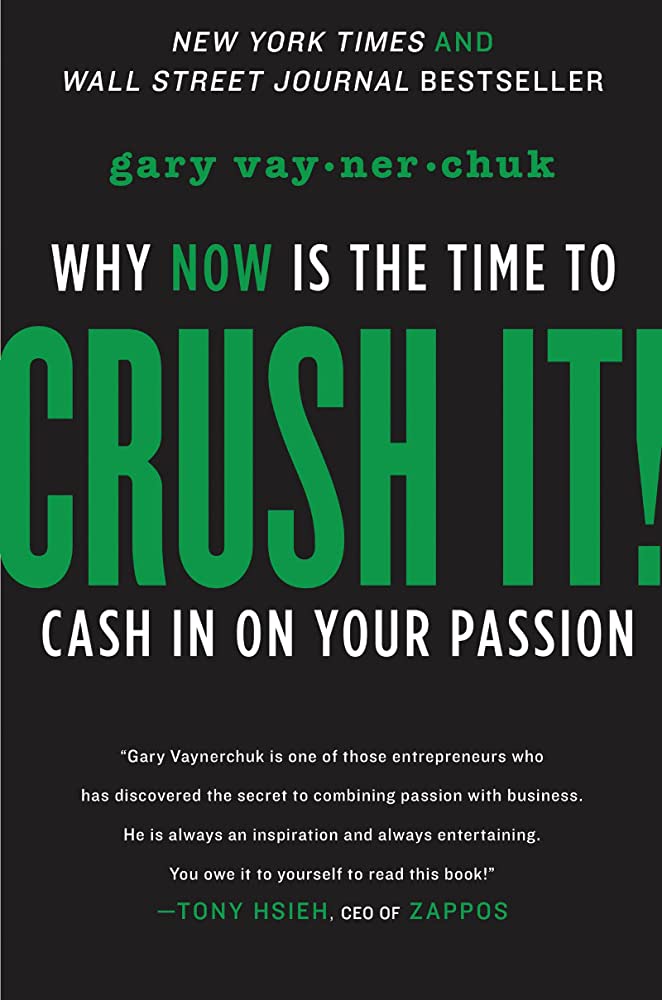
Thinking methodology is only the tip of the iceberg for both professionals and business owners. It’s also about the attitude behind your thinking.
Vaynerchuk is well-known for encouraging a killer mindset (we’d say check him out on a TikTok, but… well… maybe Facebook instead). Crush It! is part motivation and part treatise on the importance of staying motivated. Leveraging his unique conversational brand, Vaynerchuk manages to escape the sometimes-hokey motivational speaker category with fresh, enlightening insights. Aspiring entrepreneurs, especially, will find inspiration in his message.
The 4-Hour Workweek by Timothy Ferriss
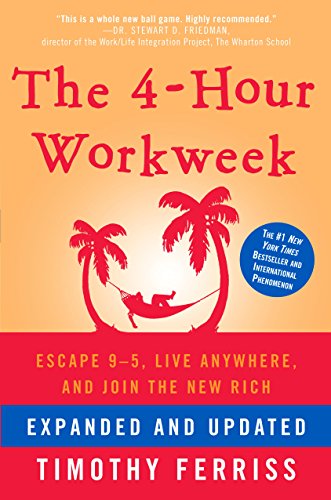
When Ferriss wrote this, he may not have realized how his ideas could sprout into a life of their own. But this New York Times best-seller grew into a lifestyle brand that has drawn accolades from virtually every sector!
The book tosses out long-held ideas of retirement and financial planning to instead teach concepts like:
- How to outsource your life and do whatever you want for a year, only to return to a bank account 50% larger than before you left.
- How to trade a long-haul career for short work bursts and frequent “mini-retirements.”
- How to understand the crucial difference between absolute and relative income.
These lessons benefit professionals still working for someone else but also offer solid reminders to current entrepreneurs to keep their eye on the prize.
The Squiggly Career by Helen Tupper and Sarah Ellis
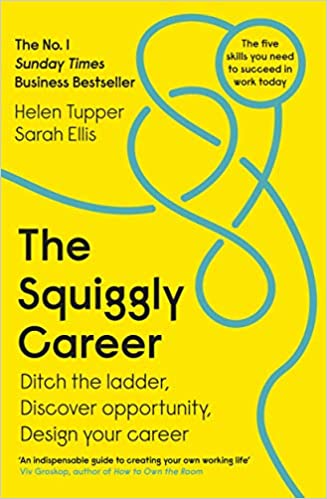
Whether you’re a business owner, aspiring entrepreneur, or professional, one thing is certain: the nature of how we approach growing our careers has changed dramatically in recent decades. Workers under the age of 34 will have nearly double the number of jobs as their older predecessors during their lifetime with much shorter tenures at each.
How do we adapt? Tupper and Ellis contend it starts with understanding how we got here. From there, it’s about understanding where we could be going next and how to navigate that reality. Whether you’re 22 or 72, their insights can help inform better decision-making for business leaders and employees alike.
The Loudest Duck by Laura A. Liswood
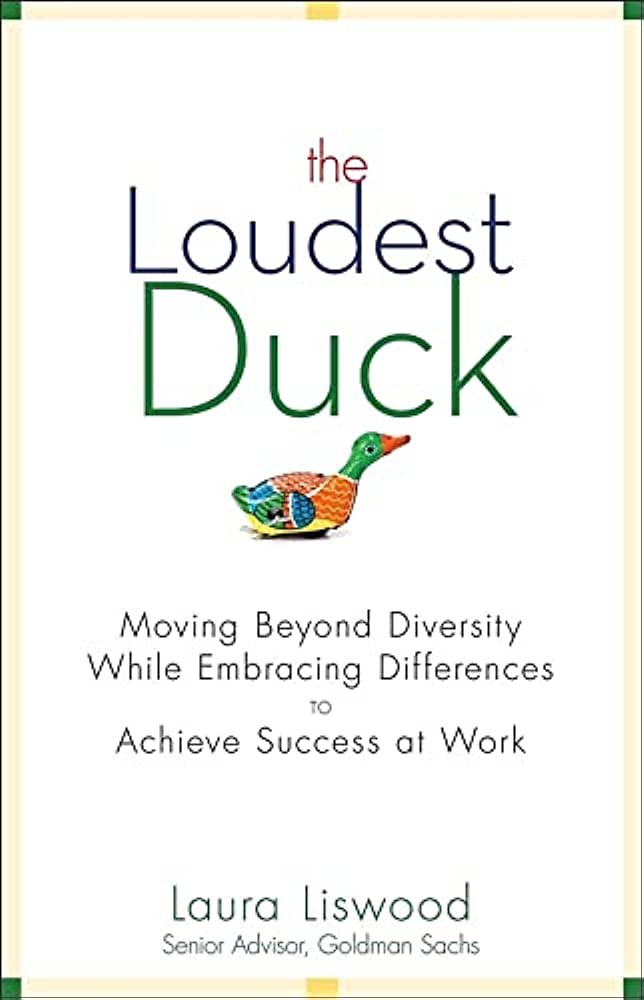
Though the books above get into the money side of running a successful business, there are certain areas of running a business that might not intuitively come to mind. DEI (diversity, equity, and inclusion) initiatives are one example. Reports show that the vast majority of businesses and employees report DEI becoming an important part of company processes and priorities, but the topic remains poorly understood.
Liswood looks to change that. Her exploration of what the concept means, why it’s necessary, and how to make sure DEI gets more than lip service is a must-read in the modern business climate.
Financial Books on How Markets Work
Alright. You’ve learned a little bit about how to keep your money straight. But do you have a grip on how everyone’s money interacts in the broader economy? These books give you an idea of how that’s happened in the past, how it works today, and what the future might hold.
Understanding Wall Street by Jeffrey B. Little and Lucien Rhodes
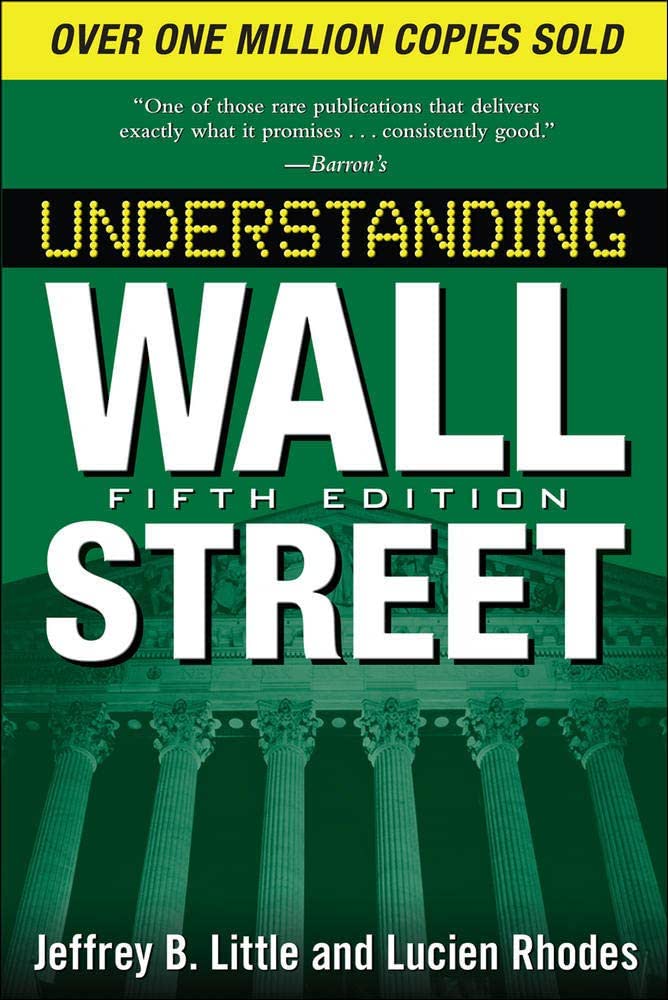
Little and Rhodes’ book is an easy-to-read manual that introduces investors to the ins and outs of the stock market. Totally geared toward the novice investor, it teaches the basics, such as how and when to buy and sell, as well as how to judge a company and its stock.
If you enjoy history, you’ll learn a lot about Wall Street with this pick. But don’t worry! The book has also been updated, so it covers internet trading, ETFs, and other issues for today’s investors. Overall, Understanding Wall Street is a quick read well worth your time.
Flash Boys: A Wall Street Revolt by Michael Lewis
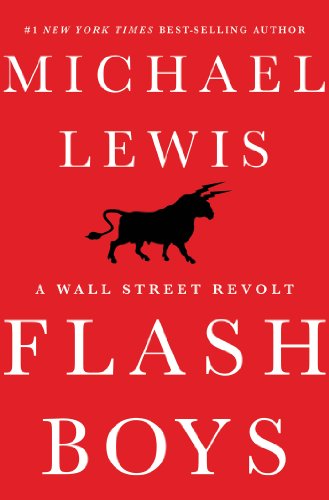
If Little and Rhodes do a good job of explaining the basics of the stock market and its origins, Lewis picks up where they left off. You might know Lewis from his runaway hit adapted for the silver screen The Big Short, but in Flash Boys, he tackles a poorly understood financial threat haunting the horizon: high-frequency trading.
The book chronicles the rise and evolution of competing exchanges and details how proximity, technology, and opacity have given the “big boys” an edge. As a master storyteller, Lewis directly challenges the efficient market hypothesis, and with good reason. He will both blow your mind and better prepare you to navigate a rapidly evolving investment that tells you the odds are not stacked against the individual investor… when they just might be.
Animal Spirits by George A. Akerlof and Robert J. Shiller
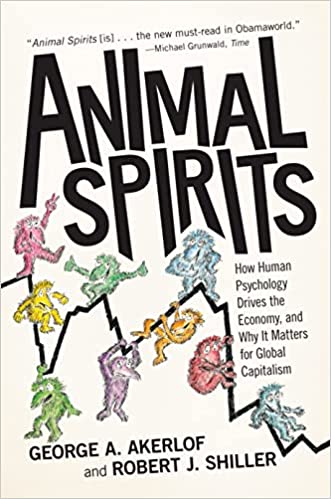
So you’ve got a feel for the stock market and where it is (structurally) headed. Do you understand how the people playing in those spaces make decisions? Even if your answer is yes, Akerloff and Shiller will make you think twice.
Challenging basic assumptions about supply and demand dynamics following the 2008 crisis, they argue psychology plays a much larger role in how markets behave than numbers on a spreadsheet. The book’s title harkens back to a term coined by economist John Maynard Keynes in his 1936 analysis of how sentiment and human behavior manifested in the wake of the Great Depression.
The authors focus on a comparison between his writings then and behavior during and after the 2008 crisis. But given the cyclical nature of the economy? Their lessons are undeniably evergreen.
Financial Books on Investing
Now that you understand a little bit more about how the markets work, it’s time to get down to brass tacks. How do you make those markets work for you? The answers are equal parts complex and fascinating, but the following books should light the way.
The Investment Answer by Daniel Goldie and Gordon Murray
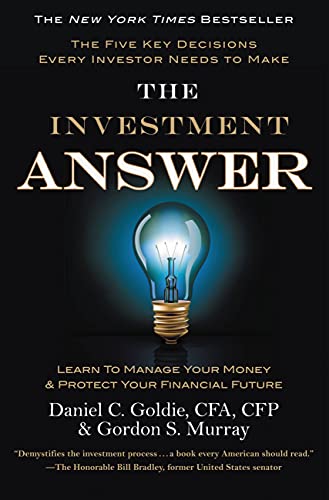
Goldie and Murray believe that there are five decisions every investor should make:
- The do-it-yourself decision
- The asset allocation decision
- The diversification decision
- The active vs. passive decision
- The rebalancing decision
By the end of their book, you’ll learn things like how to allocate among stocks, bonds, and cash; when to sell or buy assets; and whether to invest alone or with a professional. Easy reading for even beginners, this primer-style book helps you assess your financial health as you would your physical well-being.
The Investor’s Guide to Alternative Assets: The JOBS Act, ‘Accredited Investing’ and You by Jonathan Friedland

Although the book’s title suggests it is targeted exclusively to accredited investors, it really is for every investor – including the absolute beginner. It continues the explanation of allocation and diversification from Goldie and Murray to explore opportunities beyond traditional asset classes. This includes incredibly plain-English and objective explanations about crowdfunding, angel investing, private shares, private equity, hedge funds, and other “alternatives” to publicly traded securities.
A Random Walk Down Wall Street by Burton Malkiel
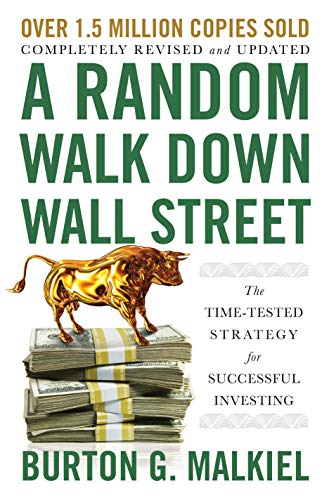
Haven’t heard of this one? You should have! Malkiel’s book is a classic on investing. Barrons put it best:
Imagine getting a week-long lesson on investing from someone with the common sense of Benjamin Franklin, the academic and institutional knowledge of Milton Friedman and the practical experience of Warren Buffett. That’s about what awaits you in […] this must-read by Burton Malkiel.
Malkiel focuses on investing techniques and strategies. His book also helped popularize the “random walk hypothesis,” which discusses the unpredictability of stock prices.
One Up on Wall Street: How to Use What You Already Know to Make Money in The Market by Peter Lynch
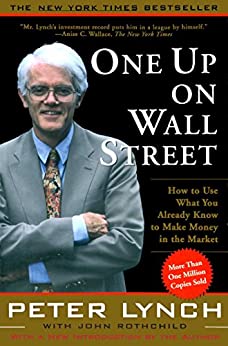
Lynch, a New York Times bestseller and Wall Street legend, likely needs no introduction. In this book, he teaches investors to trust themselves and their own observations when looking into potential investments.
His insights are especially relevant for those looking at industries they are already familiar with while highlighting the value in paying for what they see going on around them. Following this sentiment, Lynch dishes out advice based on the fact that an investor’s gut may be the money maker in the end, as long as the knowledge is there, too.
The Intelligent Investor by Benjamin Graham

The teacher of legendary investor Warren Buffet, Graham is known as the “father of value investing.” Though the book was published in 1949, its timeless lessons remain relevant today. Jason Zweig lists a few in the foreword:
- “A stock is not just a ticker symbol or an electronic blip; it is an ownership interest in an actual business, with an underlying value that does not depend on its share price.”
- “The intelligent investor is a realist who sells to optimists and buys from pessimists.”
- “The future value of every investment is a function of its present price. The higher the price you pay, the lower your return will be.”
This would be #1 on our list of best books about investing if it was ordered by priority or excellence. To get the most out of it, however, the books above should get tackled first.
Ride the Financial Reading Rainbow
Is this list comprehensive? Of course not! It does, however, offer a great beginner’s course for every consumer, entrepreneur, and investor.
What are some of your favorite books on achieving financial success? Let us know in the comments.
Want to improve your financial literacy beyond the books here? Make sure you check out the Financial Poise On-Demand Webinar Series. From how to survive litigation to how to build a business, the topics covered are all but endless! Click here to learn more about our offerings.
This is an updated version of an article from 2021. ©2023. DailyDACTM, LLC d/b/a/ Financial PoiseTM. This article is subject to the disclaimers found here.
About The Financial Poise Editors
Financial Poise helps trusted advisors (accountants, attorneys, business brokers, consultants, financial advisors, investment bankers, etc.) by providing a meritocracy-based platform on which to demonstrate their thought leadership. The thought leadership of these advisors is expressed in the form of educational articles, so we can provide our readers high-quality, unbiased education about investing, owning a business…