

- Home »
- Investors »
- Investing in a Collectible NFT is Neither Smart Nor Really Even Possible
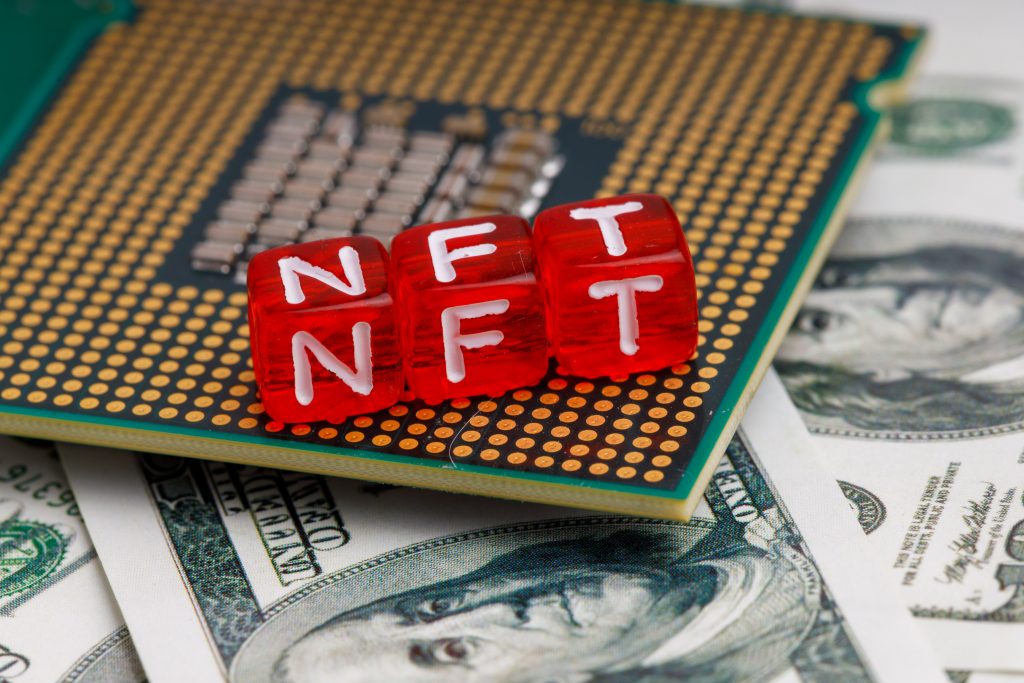
Investing in a Collectible NFT is Neither Smart Nor Really Even Possible
What’s an NFT?
At its core, an NFT, or ‘non-fungible token,’ is a unique computer code. Boiled down, an NFT has 2 basic broad use cases:
- It can be used to represent and prove ownership of a real-world asset on the blockchain. Blockchains are shared, unchangeable ledgers that can record transactions and the tracking of assets in a business network. This use has the potential to do great good as blockchain technology is seeing a continued increase in the use of smart contracts.
- The creation of a digital asset – like digital artwork. This use is not bad in and of itself, but it is going to cause a lot of people to lose a lot of money.
Advantages of Collecting NFTs (Hint: There Are None)
People have long been willing to pay thousands for vintage wine they’ll never drink, rare books they’ll never read, and antique furniture they will never sit on.
But collectible NFTs are different and better!
Some of the most popular NFT projects, such as CryptoPunk and Crossroads, have seen individual graphics sell for over $6 million. If you buy one, you can look at it all you want. You can even make copies of it and look at them too. Prominent influencers like Logan Paul and Gary Vaynerchuk adore them and flout their success in buying and selling them. With NFTs, one doesn’t have to worry about provenance or forgery. It’s way better than the Beanie Babies rotting away in your basement.
Right? No.
Purveyors of NFTs and their cheerleaders make arguments like these:
- NFTs are valuable, rare digital assets, largely because they cannot be copied and have only one owner.
- NFT art is similar to other idiosyncratic items that collectors and investors desire as a component of their portfolio. Add in the fact that NFTs look cool, and they have that much more appeal.
- Investors should think of NFTs as a modern, digital form of art that has the potential to exponentially increase in value as society rapidly transitions to a digital world.
- History has always bent toward digital progress. NFTs are just the next stage of that progress.
Collectible NFTs Demonstrate the ‘Greater Fool’ Theory Perfectly
These frequently used talking points are nonsense. One cannot invest in NFTs. One can collect them. One can speculate on them. One can gamble with them. But one cannot invest in them.
Here’s what we are saying: if you buy an NFT in the hope that someone else will pay you more for it later, you are gambling. You might get lucky. And you might not.
Before you believe the hype, read Crime and NFTs: Chainalysis Detects Significant Wash Trading and Some NFT Money Laundering in this Emerging Asset Class, a report by blockchain data platform, Chainalysis. The report, which gained wide attention in 2022, investigated ‘wash trading,’ the practice of parties repeatedly selling themselves their own NFTs in an attempt to artificially inflate prices. It has been speculated by many to be a key reason for the explosion of the NFT market in 2021. The practice of wash trading was commonly used prior to the great depression in capital markets to manipulate volume and is now considered an illegal form of market manipulation.
In 2024, it was reported that wash trading was down over 90%. This goes along with the general decline in the values of NFTs, as trading and interest have decreased by over 50% this year. This hammers home the point that if you’re looking to invest in NFTs because you think it’ll be a positive addition to your portfolio, you might want to think again.
With the rise of the metaverse and the anticipation of Web3, these new frontiers are likely to see increased fraud and other forms of financial manipulation. The subsequent fallout of the FTX collapse is a perfect encapsulation of the types of fraud that could be on the horizon if more regulations aren’t handed down by the SEC.
NFTs Do Have Their Place!
Here’s what we are not saying: we’re not saying there are no legitimate uses for NFTs or, more importantly, blockchain. As stated above, these uses generally involve using an NFT as a digital representation of a real-world asset.
We think you’ll also like:
- Buying Cryptocurrency: Fad, Fraud or Fortune-Maker?
- Show Me the Money! A Closer Look at Investing in Coins
- The Great Crypto Regulation Debate
[Editors’ Note: To learn more about this and related topics, you may want to attend the following on-demand webinars (which you can view at your leisure, and each includes a comprehensive customer PowerPoint about the topic):
- Digital Assets and Bankruptcy
- Digital Assets as Collateral: UCC Article 12
- Blockchain and Smart Contracts
This is an updated version of an article originally published on July 7, 2022.]
©2024. DailyDACTM, LLC d/b/a/ Financial PoiseTM. This article is subject to the disclaimers found here.
About The Financial Poise Editors
Financial Poise helps trusted advisors (accountants, attorneys, business brokers, consultants, financial advisors, investment bankers, etc.) by providing a meritocracy-based platform on which to demonstrate their thought leadership. The thought leadership of these advisors is expressed in the form of educational articles, so we can provide our readers high-quality, unbiased education about investing, owning a business…