

- Home »
- Weekly Commentary »
- So, You Think You’re Smarter Than a Scammer?
So, You Think You’re Smarter Than a Scammer?
This week in our newsletter:
- Meta is Getting Paid by the People Scamming You
- The Federal Reserve is More Divided than Ever
- Are We Going Back to the Roaring 20s?
Read the full newsletter for our analysis on these stories — shared exclusively in our newsletter.
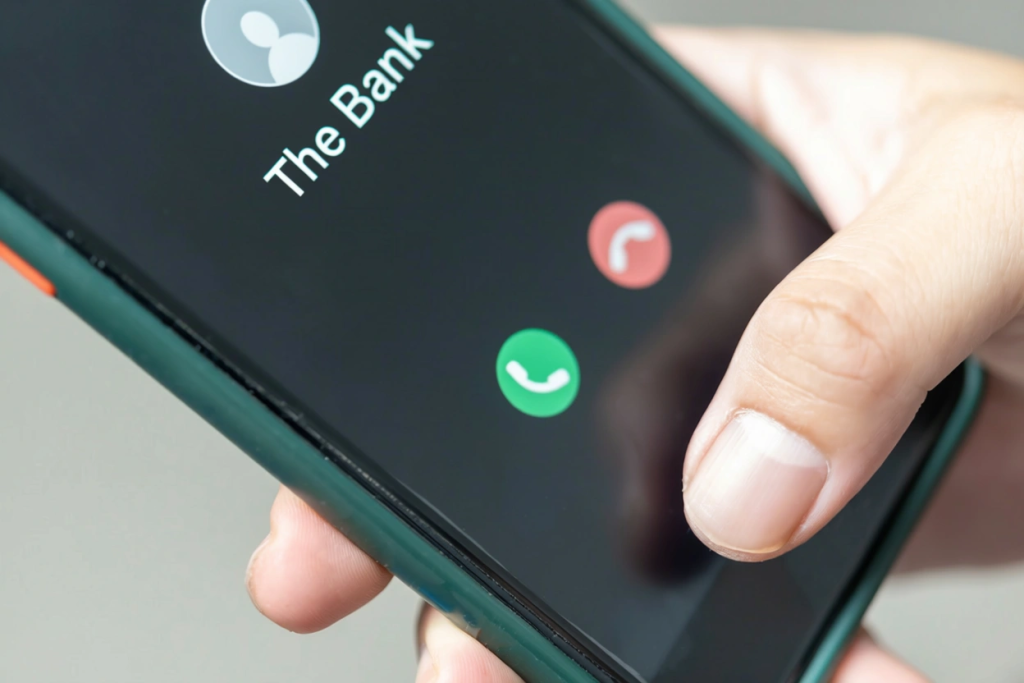
It’s Wednesday morning when a call comes through to your cell, with ‘Chase Bank’ showing in the caller ID.
Someone from Chase’s fraud department is calling you to inform you of a recent $2,000 transfer made from your account to someone in Texas.
He reassures you that this call is legit. The number he’s calling from (according to your caller ID) matches the one listed on Google for Chase’s 3 Times Square branch, and in case you’re still in doubt, he assures you that he won’t be asking you for any private information over the phone.
“Not to worry about this transfer,” he says. He assigns you a case number and two cancellation codes, then forwards you to his supervisor, who’s there to help you ‘reverse’ the payment by entering the amount on Zelle, together with the case number.
The entire exchange is conducted with all the professionalism and thoroughness you’d expect from a bank.
And you wouldn’t be faulted for thinking there’s nothing wrong with this story, except that this is all part of an elaborate scam, equipped with verifiable phone numbers and the office hierarchy of a corporate workplace — all designed to trick you into thinking the scammers are the good guys.
This is precisely what happened to a seasoned New York Times crime reporter, who still found himself going along with the scam right up until it came time to hit ‘Send’ on Zelle.
In an age where most of us have learned not to trust emails sent from Nigerian princes or Brad Pitt from his hospital bed, scammers have also upped their game.

Financial fraud is getting smarter.
Just like every other industry that’s jumped on the AI bandwagon, the scammers are innovating too.
They’re using AI to create fake profiles, forums, and websites that make their schemes all the more believable. In some instances, they’re also creating deepfakes of credible, trustworthy people that are virtually indistinguishable from the real thing.
The FTC found that consumers reported more than $12.5 billion lost to fraud in 2024, a 25% increase from 2023. What’s concerning is that this increase wasn’t driven by a rise in the number of fraud cases, which has largely stayed flat, but rather by the growing percentage of people who lost money in a scam. In 2023, 27% of the people who reported fraud said they lost money; in 2024, that figure jumped to 38%.
In other words, scams are getting more efficient.
What Are the Consumer Protections?
Federal laws do provide consumer protections for unauthorized transactions made on your bank account by someone else.
The Electronic Funds Transfer Act (EFTA) and Regulation E require financial institutions (which include banks and peer-to-peer payments like Zelle or Venmo) to investigate and reimburse customers for electronic fund transfers that are “unauthorized” or “incorrect,” provided they are notified quickly.
A transfer is considered “unauthorized” when it’s initiated by someone who doesn’t have the authority over your account. This covers payments made when someone has hacked into your account through fraud or robbery.
But scams that involve payment transfers fall into a grey area, because the victims are typically tricked into voluntarily sending money themselves.
As long as you’re the one hitting ‘Send,’ the payment is considered authorized, and financial institutions aren’t required to refund you.
Scammers know this, too. This is why bank transfers or payments were by far the highest reported losses in 2024.
If you think that’s unfair, you’re not alone.
The Consumer Financial Protection Bureau (CFPB) has previously tried to hold financial institutions accountable. In December 2024, it filed a lawsuit against Zelle and three of its parent banks (JPMorgan Chase, Bank of America, and Wells Fargo) for failing to protect their customers from widespread fraud.
But under new leadership, budget and staff cuts have led to the consumer financial watchdog dropping the suit, along with several other enforcement actions against corporations involving unfair, deceptive, or abusive practices.
This means that there is very little federal pressure being placed on banks or other corporations to do the right thing and strengthen their consumer protections.
When There Are No Adults in the Room
When scammers are innovating, and corporations and watchdogs are all looking the other way, the onus falls on us to be vigilant.
Now’s the time to adopt a healthy level of skepticism when someone approaches you about taking urgent action to protect your money. Before you hit ‘Send,’ hang
up and call the number on your bank card to check you’re talking with the right people. Take a minute to question whether you could be part of an elaborate scheme.
After all, it’s better to annoy a real bank by double-checking than to politely cooperate with professional scam artists.

About Amy Cai
Amy Cai is an Associate Editor at Financial Poise with over seven years of experience in editing, marketing, and public relations. She is passionate about storytelling and specializes in making complex business and financial topics accessible and engaging for broader audiences.
About Jonathan Friedland
Jonathan Friedland is a principal at Much Shelist. He is ranked AV® Preeminent™ by Martindale.com, has been repeatedly recognized as a “SuperLawyer”, by Leading Lawyers Magazine, is rated 10/10 by AVVO, and has received numerous other accolades. He has been profiled, interviewed, and/or quoted in publications such as Buyouts Magazine; Smart Business Magazine; The M&A…